Dedicated hardware
Your own machine. Resource contention, security blast radius, and noisy-neighbor latency are someone else’s problem.
What you get when we say “self-hosted”
“Self-hosted” gets used loosely in this industry. Here it means something concrete: dedicated hardware, isolated data, predictable cost, and the operational practices that make it reliable. Below is exactly what we deliver, how we keep it running, and what we don’t cut corners on.
What you get
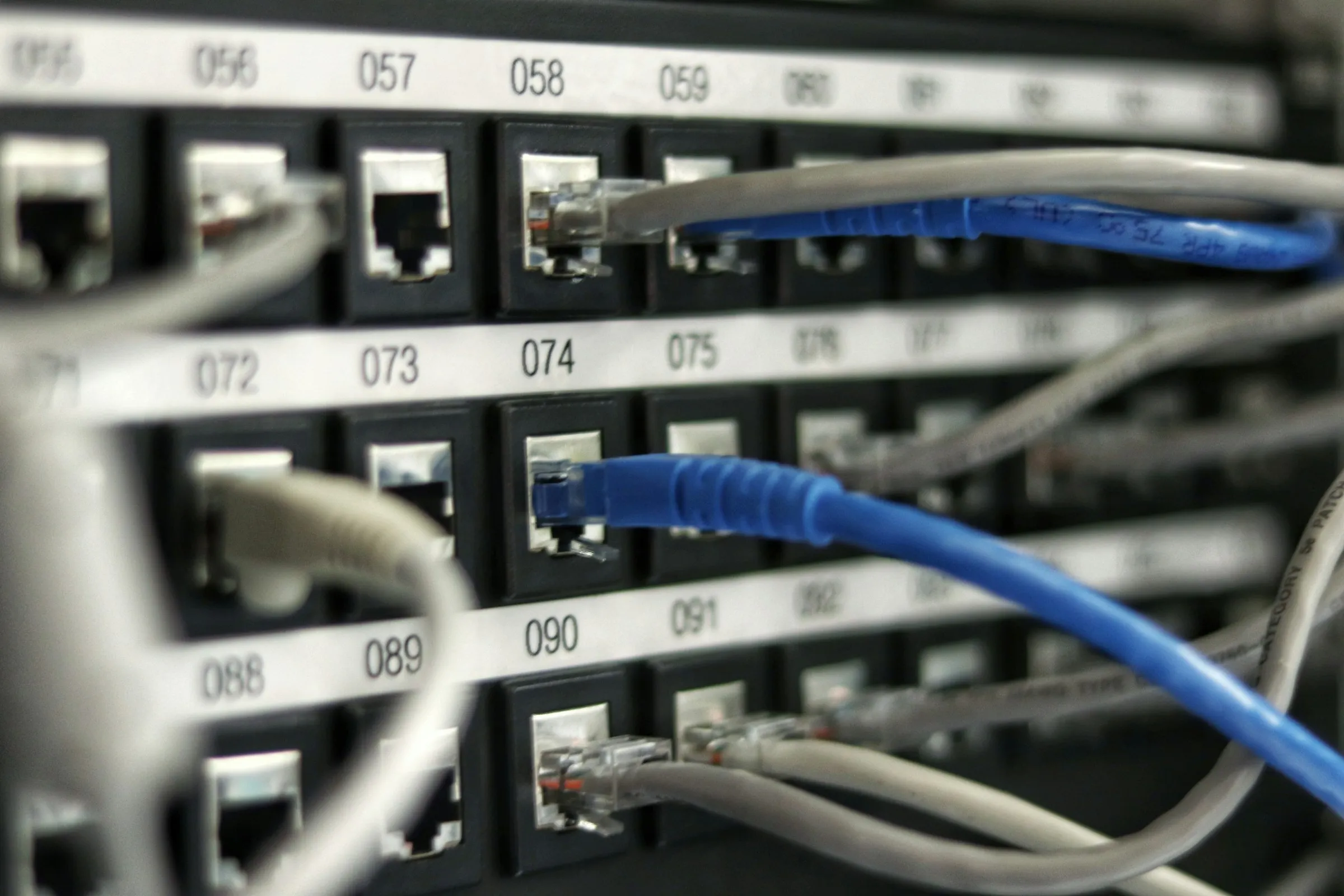
When we say self-hosted, we mean it. Every workload we deliver runs on dedicated infrastructure, single-tenant servers where your data, your logs, and your backups never touch anyone else’s. Not a virtualized slice in a managed pool. Not a “private namespace” in a multi-tenant cluster. Your server.
Your own machine. Resource contention, security blast radius, and noisy-neighbor latency are someone else’s problem.
Your data lives on your filesystems, with your encryption keys. No silent telemetry, no analytics aggregation, no third-party access.
Fixed monthly infrastructure cost. No usage spikes, no surprise egress fees, no renewal-cycle price hikes.
How we keep it reliable
What it actually looks like
Specifics vary by workload, but a typical engagement gets you something like this:
Every piece is open source. Every configuration lives in Git. Every credential lives in your vault. There are no black boxes.
vs. the alternative
| Topic | With Martin Business Consultants | Typical SaaS / shared host |
|---|---|---|
| Compute | With Martin Business ConsultantsDedicated server. Yours alone. | Typical SaaS / shared hostShared multi-tenant cluster. Noisy neighbors, shared blast radius. |
| Data location | With Martin Business ConsultantsYour filesystem, your region, your encryption keys. | Typical SaaS / shared hostVendor data lake. “Encrypted at rest” with their key, not yours. |
| Backups | With Martin Business Consultants3-2-1, immutable offsite, monthly restore drills. | Typical SaaS / shared hostWhatever the vendor offers. Often “point-in-time” with retention you pay extra for. |
| Monitoring | With Martin Business ConsultantsRouted to a real human, tuned to your stack. | Typical SaaS / shared hostStatus page. You learn about outages from your customers. |
| Pricing | With Martin Business ConsultantsFixed monthly. Predictable for years. | Typical SaaS / shared hostUsage-based. Variable. “Pricing update” emails every 18 months. |
| Exit | With Martin Business ConsultantsHardware is yours; we hand over the keys. No re-platforming. | Typical SaaS / shared hostProprietary data format. Re-platforming is a project, sometimes a year-long one. |
Common questions
The server, the data, the backups, and the configuration are yours. We hand over root credentials, the Git repo, and runbooks at the start of every engagement, you can take over operations the same day if you ever needed to.
For most workloads we deploy, a well-operated single server with tested backups is more reliable than a complex multi-node setup most people can’t maintain. When you actually need HA, we’ll tell you, and we’ll build it, but we’ll never over-architect when a simpler design will outperform.
Dedicated metal means dedicated CPUs, dedicated NICs, dedicated storage controllers. A VPS shares the underlying host with other tenants, a noisy neighbor, a kernel exploit, or a hypervisor bug puts your workload in someone else’s blast radius. Dedicated hardware closes that door.
Most businesses get further than they expect on a single, properly-sized dedicated server. When you outgrow it, we scale up first (bigger box) and out only when warranted. Kamal makes the move from one host to several boring and reversible.
You, and the named individuals on our side who operate it, typically two people. Access is via SSH key, no root login, and every session is logged. We document the access list during onboarding and review it on a schedule you set.
Infrastructure costs are usually a small fraction of what an equivalent multi-tenant SaaS arrangement runs annually, and they’re fixed. Our managed-services fee is on top of that and predictable too. We’ll quote you concretely once we know the workload.
Get in touch
Tell us what you're working on. We'll come back with a concrete proposal, what gets deployed, where it lives, what it costs, and how we run it.
What to expect